Find Your Perfect Hiking Shoes: A Trail-Tested Guide for Every Adventure
Choosing the right Hiking Shoes is the foundation of a safe and enjoyable outdoor experience. Whether you're tackling a scenic local path or planning a multi-day trek, your footwear directly impacts comfort, performance, and foot health. With so many options available, finding your ideal pair requires understanding key features and matching them to your adventures.
Prioritize Fit Above All Else
Your perfect Hiking Shoes start with an impeccable fit. Visit a reputable outdoor retailer for professional fitting, ideally later in the day when feet are slightly swollen. Ensure adequate toe room (about a thumbnail's width) to prevent downhill jamming and protect nails. The heel should be snug without slippage, and the midfoot should feel secure. Don't assume your regular shoe size applies – always try hiking shoes on with the socks you intend to wear.
Key Features to Evaluate:
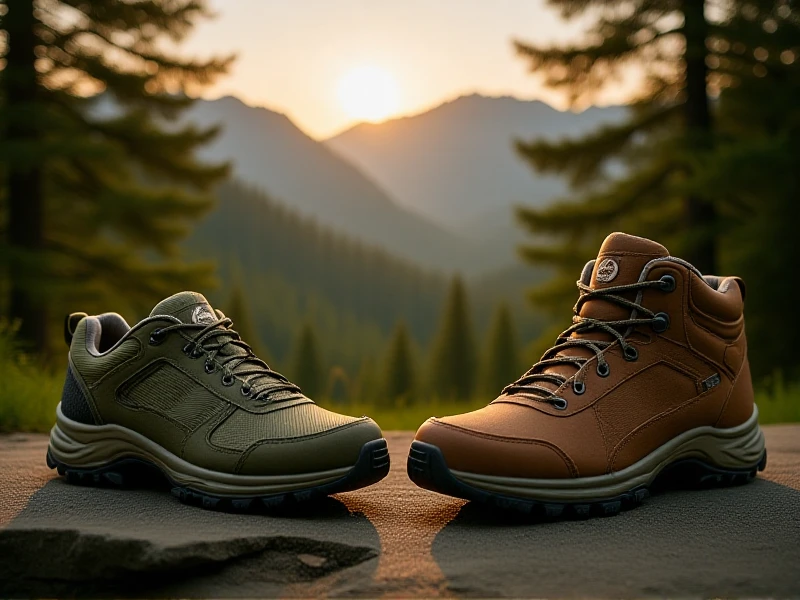
- Support & Stability: Ankle height is a primary consideration. Low-cut shoes offer maximum flexibility and are lightest, ideal for well-maintained trails and day hikes with light loads. Mid-cut hiking shoes provide essential ankle support on uneven terrain or when carrying a moderately loaded pack, significantly reducing roll-over risk.
- Traction & Outsole: The sole is your connection to the trail. Look for aggressive, multi-directional lugs made of sticky, durable rubber (like Vibram®). Deeper lugs bite into muddy or soft surfaces, while shallower patterns are better for hard rock. The tread pattern should offer grip climbing uphill and braking downhill.
- Protection & Durability: A protective toe cap shields feet from rocks and roots. A sturdy rock plate in the midsole prevents sharp objects from bruising your foot. Check the upper material – full-grain leather offers superb durability and weather resistance but less breathability, while synthetics and split-grain leather combinations are lighter and dry faster.
- Waterproofing: Membranes like Gore-Tex® are excellent for wet conditions, snow, or morning dew, keeping feet dry. However, they reduce breathability in hot weather. Non-waterproof hiking shoes offer superior breathability and dry quicker if submerged, making them preferable for warm, dry climates or fast-and-light pursuits.
Matching Intended Use to Style
Consider terrain, trip duration, and pack weight. Technical trails with rocks, roots, and elevation gain demand more support and protection than flat gravel paths. Carrying a heavier overnight pack necessitates stiffer midsoles and more robust ankle support than a light daypack requires.
Investing time in selecting the best Hiking Shoes pays dividends mile after mile. Listen to your feet, understand your adventure goals, and choose footwear designed for the trails you love. Once you know your key requirements, explore our curated collection of top-rated hiking shoes to find your trail-ready match.