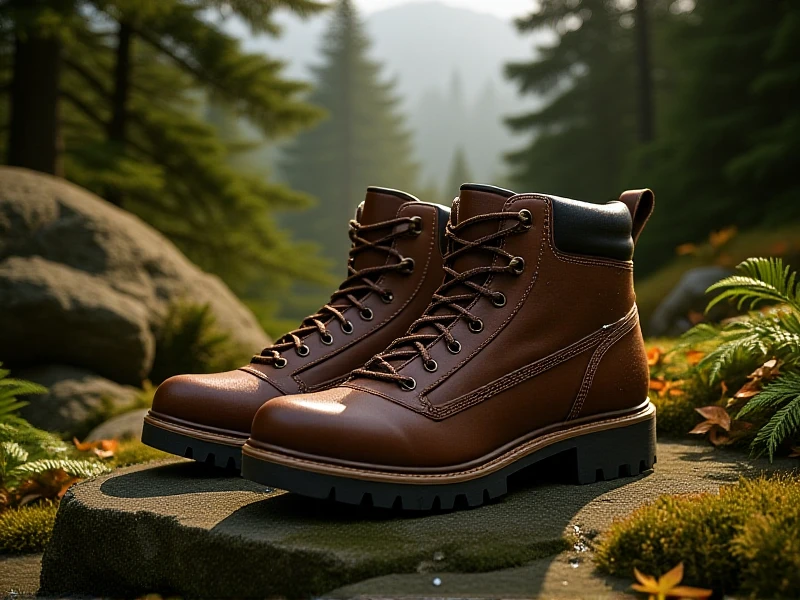
Choosing the Perfect Hiking Boots: Your Guide to Trail-Ready Feet
Hiking boots are far more than just footwear; they're your essential connection to the trail. Choosing the wrong pair can transform a breathtaking summit view into a painful trudge. The right hiking boots, however, become trusted companions, providing the comfort, protection, and support needed to explore further.
The foundation of a great hiking boot lies in its **boots'. Think of them like car tires: deeper, multi-directional lugs provide superior gripping power on slippery rocks, loose gravel, and muddy inclines. Look for durable rubber compounds specifically designed for trail use.
Protection is paramount. Hiking boots safeguard your feet from roots, sharp rocks, and unpredictable terrain. This comes through stiffer midsoles for stability on uneven ground and robust toe caps (often rubber) to shield your toes from impacts. A key consideration is ankle support. Mid-cut boots (ankle-high) strike an excellent balance for many day hikers, offering sufficient support without excessive weight. For heavier packs, tougher terrain, or weaker ankles, high-cut hiking boots provide maximum stability, significantly reducing the risk of rolling an ankle.
Your comfort depends heavily on fit. Never assume your regular shoe size translates directly to hiking boots. Always try them on in the afternoon when feet tend to swell. Wear the hiking socks you plan to use – ideally merino wool or synthetic blends that wick moisture. Ensure there's adequate width (especially important!) and about a thumbnail's length of space in front of your longest toe when standing downhill. Your heel should be securely locked in place with minimal slippage.
Don't underestimate waterproofing. While breathable mesh boots are great for dry climates, waterproof hiking boots, particularly those featuring Gore-Tex or similar membranes, are crucial for wet conditions, stream crossings, and morning dew-laden grass. This membrane acts as a barrier against external water while allowing sweat vapor to escape, keeping feet drier inside.
Consider construction: Traditional leather boots are durable and weather-resistant, often requiring a break-in period. Synthetic materials (nylon, polyester) are lighter, dry faster, and demand less break-in but might offer less long-term durability. Many best hiking boots blend leather with synthetics for optimal performance.
Finally, traction starts with the outsole. Vibram soles are renowned for their durability and grip, but other high-quality brands exist.
Your investment hinges on planned use. Light trail paths? Look for flexibility and less weight. Technical terrain or heavy backpacks? Prioritize support, protection, and a stiffer sole. For colder adventures, ensure the boot offers adequate insulation or room for thicker thermal socks.
Proper hiking boots care extends their life. Brush off dirt, stuff with crumpled newspaper to absorb moisture and maintain shape, and reapply waterproofing treatments periodically as needed.
Choosing the right pair of hiking boots is a critical step towards safe and enjoyable adventures. Prioritize support, fit, protection, traction, and the right features for your typical terrain. Your feet are your foundation on the trail – give them the dependable partners they deserve. Ready to hit the trail? What feature is most critical in your perfect hiking boot?