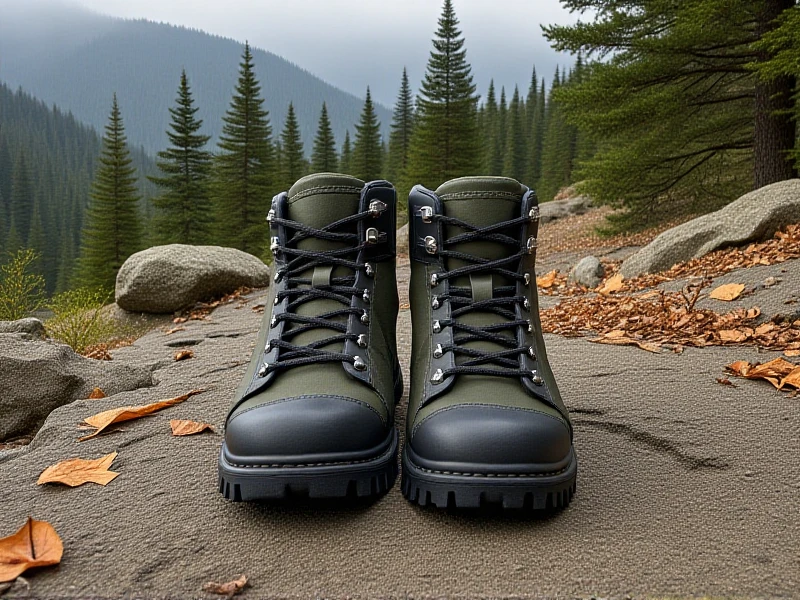
Your Path to Adventure: Choosing the Right Hiking Shoes
Stepping off the pavement and onto a trail instantly ignites a sense of freedom. But sore feet or a dangerous slip can quickly ruin that feeling. The difference between a triumphant summit and a miserable slog often comes down to one crucial piece of gear: your hiking shoes. Choosing the perfect pair isn't about grabbing any boot; it's a deliberate decision that impacts comfort, safety, and ultimately, how much joy you get from exploring the outdoors.
Understand Your Terrain & Trips
Before you fall for a stylish look, think about where you'll primarily be hiking. Are you tackling rocky alpine scrambles, navigating muddy forest paths, or sticking to flat, well-maintained park trails?
- Day Hikes & Light Trails: Supportive, comfortable hiking shoes (often low-cut or mid-cut) are usually ideal. They offer more stability and tread than trail runners but remain lighter and more flexible than bulky boots.
- Rugged Terrain or Backpacking: Here is where sturdy hiking boots (typically mid-cut or high-cut) shine. They provide superior ankle support carrying heavier loads over uneven ground, rocks, and steep inclines.
- Wet Environments: If crossing streams or hiking in frequent rain is likely, waterproof membranes (like Gore-Tex) become essential. For drier climates, non-waterproof options offer better breathability to keep feet cooler.
Fit is Paramount, Not an Afterthought
Buying hiking footwear online without trying them on first is a gamble few win. Your feet swell during long walks, so shop later in the day. Wear the socks you plan to hike in. Leave ample room – about a thumb’s width (roughly 0.5 inches) – between your longest toe (which isn't always the big toe!) and the end of the shoe while standing. Your heel should be firmly held without slipping. Walk around the store, mimic inclines, and ensure no uncomfortable pinching or hotspots exist. This meticulous process prevents blisters and misery miles down the trail.
Material Matters: Balancing Durability & Weight
Synthetics (nylon, polyester mesh) dominate modern hiking shoes due to their lightweight nature and quick drying times, often requiring less break-in. Leather boots offer exceptional durability, mold over time for a custom fit, and provide superior water resistance once treated. A hybrid construction (e.g., leather uppers with synthetic mesh panels) provides a great balance for many hikers, combining toughness with breathability.
Prioritize the Right Features
- Aggressive Outsole: Prioritize lugs designed to grip various surfaces – mud, rocks, dirt. Vibram soles are renowned for durability and traction.
- Supportive Midsole: This cushioning layer absorbs shock and provides stability. Stiffer midsoles offer better support on technical trails, while softer ones cushion on smoother paths.
- Rock Plates: Essential for trails littered with sharp rocks, offering underfoot protection.
Finding your ideal hiking shoes is an investment rewarding every step of the journey. Forget the "one-boot-fits-all" notion. Assess your needs, prioritize fit above all else, consider the terrain, and invest time in trying multiple pairs. The trail awaits your well-equipped feet. Happy hiking!